Define The Job Before It Starts
Contained commercial waste and Scotland’s consignment records. This service supports our wider asbestos removal Glasgow work for business premises. See our commercial coverage or send a site enquiry with the information you already hold.
Define The Waste Before Collection
Start with the survey or removal records, material type and estimated quantity. Explain whether the waste is intact cement sheet, insulation, contaminated protective material or another asbestos-containing product. The packaging and handling arrangements must suit the actual waste and the receiving facility’s acceptance requirements.
Tell us whether material has already been disturbed or remains fixed in place. A collection enquiry is not permission to start removing it. If packaging is damaged or debris is loose, restrict access and arrange a competent assessment rather than moving material through an occupied workplace.
Scotland’s Special Waste Rules
SEPA explains that the Special Waste Regulations 1996 govern special waste in Scotland. Consignments arising in Scotland require a special waste consignment note carrying a unique SEPA-issued code, including when the destination is elsewhere in the UK. The waste producer and the parties moving and receiving the waste have defined responsibilities.
The current SEPA process and any notification requirements should be checked when the collection is arranged. Do not substitute an ordinary commercial waste ticket for the required special-waste record. Ask how the carrier, waste description, destination and completed consignment paperwork will be documented.
Packaging, Storage And Access
Asbestos waste must be contained so fibres are not released during storage and movement. Suitable packaging and labelling are required, with arrangements matched to the size and nature of the material. The appointed contractor should confirm these requirements before anyone attempts to package or move the waste.
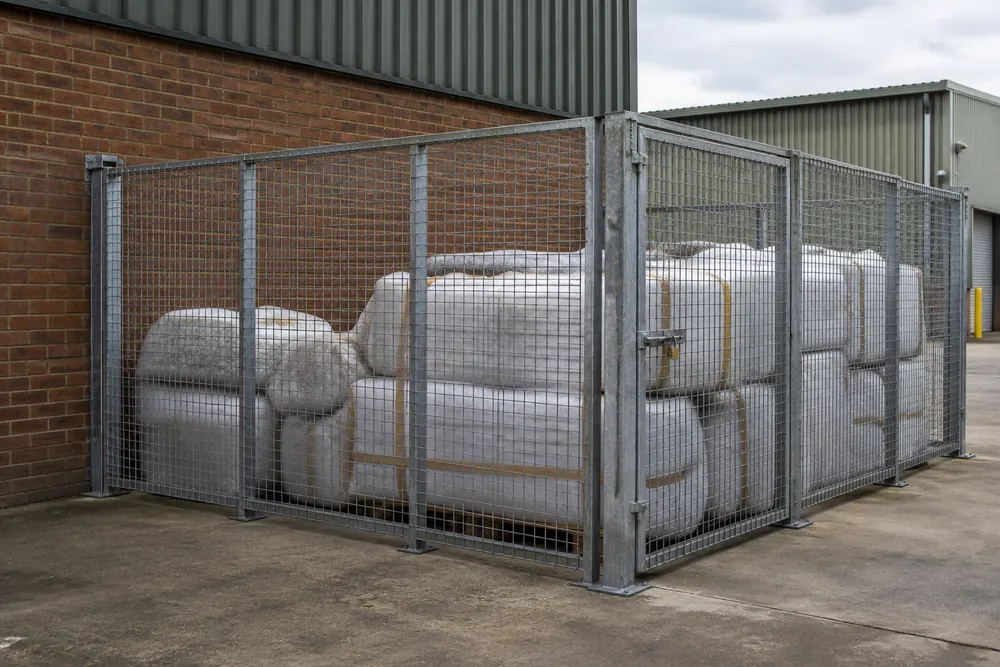
Commercial premises also need a secure holding location and an agreed collection route. Consider loading space, vehicle access, shared yards and the risk of packages being struck or opened. Loose waste must not be mixed with ordinary skips or left where other trades might disturb it.
Checking The Carrier And Destination
Confirm that the person carrying the waste holds the appropriate current registration or authorisation and that the receiving facility can accept the specific waste. A company offering general rubbish clearance is not automatically a suitable choice for asbestos. Ask for the details before agreeing the collection.
Waste duty of care does not end because a vehicle leaves the site. Retain the completed consignment records and reconcile them with the removal scope. For a larger project, decide who within the client team will check quantities, sign the relevant documents and store the final records.
Disposal Is Only One Part Of Removal
Waste collection deals with the contained waste stream. It does not establish that the source area has been properly cleaned or cleared for use. The removal method, area checks and any independent analytical requirements need to be addressed within the broader works specification.
If you are procuring removal and disposal separately, identify exactly where responsibility passes between contractors. Avoid a gap around packaging, temporary storage or collection timing. Records should connect the waste with the premises and the work that produced it, rather than arriving as unexplained paperwork later.
How The Work Is Organised
- Describe The Material
Provide the survey information, waste location and whether packaging or further assessment is needed.
- Confirm The Route
Check the proposed carrier, receiving facility, acceptance conditions and Scottish consignment arrangements.
- Arrange Controlled Collection
Agree containment, secure storage, loading access and the responsible site contact before movement.
- Retain The Records
Obtain the completed waste documentation and link it to your project and asbestos management records.
What Affects The Cost?
Disposal costs depend on waste type, quantity, packaging, access, transport and the receiving facility. Extra work may be needed where waste is loose, poorly contained or stored in a location a collection vehicle cannot reach. Explain these conditions early so the quotation reflects the actual task.
Check whether packaging, labour, consignment administration and facility charges are included. A collection-only quotation should be distinguishable from one covering removal and cleaning. Compare suppliers on the full documented route, including any restrictions on what they will take.
Asbestos Disposal Questions
Can Asbestos Go In A General Commercial Skip?
Asbestos waste must not go in a general commercial skip with ordinary waste. It needs suitable containment and a route to an authorised receiving facility, supported by the required Scottish special-waste paperwork. Tell the removal contractor or collector what material is involved so the appropriate packaging, transport and acceptance arrangements can be agreed.
What Waste Record Should A Glasgow Business Receive?
A Glasgow business should receive the appropriate completed special waste consignment documentation for its asbestos waste. Check that the premises, waste description, carrier and receiving facility match the actual movement. Keep the records with the project file and confirm the current SEPA requirements when arranging transport, especially where the waste crosses a national border.
Technical references: SEPA: Special Waste · HSE: Waste Controls.